


The Workplace Superpower You Can’t Afford to Ignore
Let’s be honest. The modern workplace is a pressure cooker of rapid change, AI disruption, and relentless demand for efficiency. So, what’s the one skill that separates top performers from the rest?
It’s not a technical degree or a genius-level IQ.
According to the World Economic Forum, emotional intelligence (EI or EQ) is among the top five most sought-after skills in the workforce. And for good reason.
In a world increasingly run by algorithms, our human ability to connect, empathize, and self-regulate has become our greatest professional advantage.
So, What Exactly is Emotional Intelligence?
Think of it this way: If IQ is how you solve problems, EQ is how you understand people—starting with yourself.
Emotional intelligence is your capacity to be aware of, control, and express your emotions, and to handle interpersonal relationships judiciously and empathetically.
Don’t just take our word for it. Dr. Travis Bradberry, author of Emotional Intelligence 2.0, found a startling truth: 70% of the time, people with average IQs outperform those with the highest IQs. The differentiating factor? Their emotional intelligence.
It’s why the most brilliant programmer might get passed over for a leadership role in favor of a colleague who can inspire a team, navigate conflict, and build trust.
The Five Pillars of Emotional Intelligence
So, what are the building blocks of stellar emotional intelligence? Researchers break it down into five essential components—each one playing a crucial role in workplace success:
- Self-Awareness: The ability to recognize your emotions as they arise. Consider it your internal dashboard—if you can’t read the warning lights, you can’t fix what’s under the hood.
- Self-Regulation: This is emotional discipline in action. It’s staying calm under pressure, reacting thoughtfully (not impulsively), and bouncing back from setbacks without lashing out or shutting down.
- Empathy: The superpower that enables you to step into someone else’s shoes, understand their perspective, and respond with genuine care.
- Social Awareness: Tuning into the emotional currents in a group, understanding team dynamics, and reading the room—think of it as workplace emotional radar.
- Relationship Management: The art of building connections, resolving conflict, motivating others, and maintaining trust—the day-to-day glue that holds great teams together.
Mastering these five elements doesn’t just boost your personal growth; it gives you an edge in leading, influencing, and collaborating in any professional setting.
The 4-Part Framework for Workplace EQ
While models vary, psychologist Daniel Goleman’s framework is a gold standard for applying EI at work. It breaks down into four core competencies:
- Self-Awareness: The ability to name your emotions and recognize their triggers. It’s the foundation. You can’t manage what you don’t understand.
- Example: Recognizing that a tightness in your chest and irritability is a sign of stress from an impending deadline.
- Self-Management: This is what you do with your self-awareness. It’s about regulating your emotional reactions healthily and productively.
- *Example: When you feel that stress building, you take a 10-minute walk instead of snapping at a colleague.*
- Social Awareness: This is your empathy radar. It’s the ability to accurately pick up on the emotions and dynamics of others.
- Example: Noticing a team member is unusually quiet in a meeting and checking in with them afterward.

Strategies for Practicing Social Awareness as a Leader
So, how do you actually build that empathy radar? Here are a few practical moves any leader can make:
- Truly Listen. Put your phone down, close that laptop, and give someone your full attention. Listen to understand—not just to reply. Try summing up what you’ve heard to make sure you’re on the same page.
- Keep a Finger on the Team Pulse. Don’t wait for problems to explode. Instead, check in regularly—formally or informally—to gauge how folks are feeling. Sometimes, a simple “How are things going?” can reveal more than a dashboard ever could.
- Mind the Unspoken. Not all communication is verbal. Pay attention to body language, facial expressions, and even patterns like increased absences. Sometimes what isn’t said speaks louder than words.
- Create Safe Spaces. Foster an environment where it’s okay to be honest. Whether through anonymous feedback, regular check-ins, or just leading with vulnerability yourself, make it clear that concerns can be voiced without fear of fallout.
- Stay Culturally Tuned-In. Take the time to learn about your team’s diverse backgrounds. Cultural awareness isn’t a box-ticking exercise—it’s crucial for understanding different perspectives and communication styles.
In short, practicing social awareness isn’t rocket science—but it does require intention and openness.
4. Relationship Management: The active skill of using your awareness of yourself and others to influence, collaborate, and manage conflict effectively.
- Example: Facilitating a difficult conversation between two conflicting team members to find a common-ground solution.
How Emotional Intelligence Enhances Management Decisions
So, what happens when emotionally intelligent leaders sit at the decision-making table? Quite a lot, actually. Managers who flex their EQ skills draw from both rational analysis and emotional insight, creating a more balanced, human-centered approach to leadership.
- Greater Perspective: Leaders with high EQ don’t just weigh the numbers—they pause to consider how their decisions will affect team morale and engagement down the line.
- Informed Empathy: By tuning in to their own emotions and the pulse of the team, emotionally intelligent managers can anticipate challenges and head off brewing conflicts before they boil over.
- Skillful Communication: They know when to ask questions, listen deeply, and coach others through tough calls, ensuring voices are heard and valued—not just counted.
- Trust-Building: By demonstrating self-control, transparency, and consistent follow-through, they earn trust, making it easier to navigate change and drive consensus.
For example, it’s one thing to make a tough business call under pressure; it’s another to notice when those decisions weigh on the team, actively listen to concerns, and lead with both confidence and compassion. This blend of logic and empathy not only leads to more thoughtful choices, but also inspires teams to buy in and bring their best to the table.
Why Bother? The Tangible Payoff of High EQ
Investing in EI isn’t just “nice to have.” It delivers a clear return for both individuals and the entire organization.
For You, The Employee:
- Career Rocket Fuel: 90% of top performers have high EQ. It’s the key to leadership roles and longevity.
- A Heftier Paycheck: Research shows people with high EI earn an average of $29,000 more annually.
- Better Wellbeing: Our own data shows a 25% increase in leadership wellbeing linked to higher EI.
For The Business:
- Higher Retention: The old adage is true: “People don’t leave jobs, they leave managers.” Emotionally intelligent managers make people feel valued, so they stay.
- Smoother Collaboration: Teams with high EQ communicate better, leading to greater efficiency and innovation.
- Mastering Change: EI is the secret weapon for navigating organizational shifts. Leaders with high EQ can guide their teams through uncertainty with empathy, reducing resistance.
What Emotional Intelligence Looks Like in the Wild
Theory is great, but how does this actually show up at work?
- The Active Listener: They aren’t just waiting for their turn to talk. They give full attention, making colleagues feel truly heard and building a culture of psychological safety.
- The Empowerer: They grant creative freedom and autonomy, trusting their team to innovate. This builds ownership and pride.
- The Courageous Conversationalist: They don’t avoid tough talks. They lean into difficult feedback with clarity and empathy, clearing the air for forward progress.
- The Resilient Leader: During times of change, they communicate the “why,” acknowledge concerns, and involve the team, turning fear into focused action.
Busting the Myths: What EQ is NOT
It’s easy to misunderstand emotional intelligence. Let’s clear up common misconceptions:
- It’s NOT being nice all the time. Real EQ includes setting boundaries and having hard conversations.
- It’s NOT suppressing your feelings. Bottling up emotions is the opposite of healthy management.
- It’s NOT avoiding conflict. EI is about addressing conflict constructively, not pretending it doesn’t exist.
- It’s NOT just being smart. A high IQ does not guarantee a high EQ.
How to Actually Develop This Superpower (Yes, You Can)
The best news? EI isn’t a fixed trait you’re born with. It’s a muscle you can build.
- Start a Work Journal: Spend 5 minutes at the end of the day reflecting. What triggered you? How did you react? This builds self-awareness.
- Practice Reframing: See emotions as data, not destiny. Jealous of a coworker’s promotion? Reframe that feeling as a signal for your own growth.
- Find a Mentor: A good mentor can provide a safe space for honest feedback on your interpersonal skills.
- Build Empathy Through Active Listening: In your next conversation, focus entirely on understanding the other person. Paraphrase what they said before you respond.
- Invest in Structured Training: For leaders, a behavioral change program can be transformative. At ChangingPoint, we use tools like the Roche Martin Emotional Capital Reports to provide a clear, data-driven roadmap for developing the 10 key EQ competencies linked to performance.
In the final analysis, emotional intelligence is no longer a soft skill—it’s the essential hardware for a thriving career and a resilient organization. It’s time to start building yours.

Emotional Intelligence in the Workplace: How EQ Transformed a Toxic Team, Boosted Communication Skills, Leadership, and Team Performance
Introduction: Why Emotional Intelligence is Critical in Modern Workplaces
In today’s competitive corporate world, emotional intelligence (EQ) has emerged as the #1 skill that determines the success of employees, teams, and leaders. Many workplace challenges, from low engagement to high turnover, stem from poor emotional management rather than technical skills.
This case study explores how emotional intelligence in the workplace transformed a toxic team, improved communication skills, strengthened leadership, and fostered better team performance. Organizations worldwide are realizing that integrating EQ into daily operations is no longer optional—it’s essential for creating a collaborative and high-performing workplace culture.
1. Understanding the Toxic Team Environment and Workplace Challenges
The team studied in this case belonged to a mid-sized software company. Their challenges included:
- Frequent interpersonal conflicts
- Lack of trust and collaboration
- Low morale and engagement
- High employee turnover
Traditional management strategies failed to solve these issues because they addressed processes but ignored the human emotional factor. Leadership realized that boosting emotional intelligence in the workplace could be the key to transforming both team culture and business outcomes.
Keywords included: emotional intelligence, workplace, communication skills, leadership
2. Step 1: Assessing Emotional Intelligence Levels
Before any intervention, leadership assessed EQ levels across the team. Tools used included:
- Self-assessment questionnaires focusing on self-awareness, empathy, and self-regulation
- Peer feedback to identify interpersonal strengths and weaknesses
- Observation of team interactions during meetings and projects
This step revealed patterns of reactivity, poor communication, and low empathy, which were central to the toxic culture.
Keywords included: emotional intelligence, communication skills, workplace, leadership
3. Step 2: Leadership Buy-In and Modeling EQ
Successful transformation required leadership to lead by example. Leaders underwent:
- Workshops on empathy, active listening, and conflict resolution
- Coaching sessions on self-regulation and emotional awareness
- Practical exercises to demonstrate emotionally intelligent decision-making
When leaders consistently modeled emotional intelligence, team members felt empowered to adopt similar behaviors, creating a culture of trust and collaboration.
Keywords included: emotional intelligence, leadership, workplace, team performance
4. Step 3: Team Workshops for Emotional Intelligence and Communication Skills
The team participated in workshops designed to improve emotional intelligence and communication skills:
- Active listening exercises to ensure understanding in conversations
- Empathy mapping to appreciate colleagues’ perspectives
- Conflict management role-plays to practice constructive solutions
- Mindfulness and emotional regulation techniques
Over time, these practices significantly reduced conflicts and improved overall team cohesion.
Keywords included: emotional intelligence, team performance, communication skills, workplace
5. Step 4: Integrating EQ into Daily Workflows
The organization embedded emotional intelligence practices into daily operations, including:
- Daily check-ins to discuss emotional states, not just tasks
- Regular feedback sessions focusing on emotional awareness
- Mindfulness and stress management exercises
This consistent integration ensured that emotional intelligence became part of the workplace culture, not just a one-off initiative.
Keywords included: emotional intelligence, workplace, team performance, communication skills
6. Step 5: Measuring Success
After six months, measurable improvements included:
- Turnover decreased by 40%, as employees felt more connected
- Project completion rates rose 35%, due to better collaboration
- Employee engagement scores improved significantly
- Conflict resolution improved, and team satisfaction increased
These results showed that investing in emotional intelligence directly impacts workplace performance and leadership effectiveness.
Keywords included: emotional intelligence, workplace, leadership, team performance
7. Key Lessons From the EQ Transformation
- Leadership sets the tone: Leaders must demonstrate emotional intelligence to influence team behavior.
- Assessment is essential: Understanding the emotional baseline helps tailor interventions.
- Skill-building matters: Training in empathy, communication, and conflict management is critical.
- Integration is crucial: EQ must be part of everyday workflow.
- Sustained effort brings lasting results: Consistency ensures long-term improvement.
Keywords included: emotional intelligence, workplace, communication skills, leadership
8. Why Emotional Intelligence Outperforms Traditional Management Approaches
Traditional management often focuses on metrics and deadlines while ignoring emotional dynamics. Emotional intelligence addresses:
- How employees feel and respond under stress
- How teams communicate and collaborate effectively
- How leaders inspire, motivate, and build trust
Organizations investing in emotional intelligence in the workplace see tangible benefits: higher retention, improved productivity, and more positive work environments.
Keywords included: emotional intelligence, leadership, workplace, team performance
9. Implementing Emotional Intelligence Across Industries
- Technology: Remote and hybrid teams benefit from EQ to prevent burnout and miscommunication
- Healthcare: High-stress environments improve with emotionally intelligent leadership
- Finance: EQ fosters trust and effective decision-making in high-pressure situations
- Education: Teachers with EQ improve student engagement and collaboration
Regardless of the industry, emotional intelligence transforms workplaces by improving both individual and team performance.
Keywords included: emotional intelligence, workplace, communication skills, leadership
10. Actionable Steps to Boost Emotional Intelligence in Your Team
- Assess EQ levels with surveys and peer feedback
- Train leadership to model empathy, self-awareness, and effective communication
- Conduct team workshops focusing on EQ and communication skills
- Integrate EQ practices in daily workflows
- Track progress with engagement and performance metrics
Organizations that embed emotional intelligence into workplace culture see higher productivity, better communication, and stronger leadership.
Keywords included: emotional intelligence, workplace, leadership, communication skills, team performance
Conclusion: Emotional Intelligence is the Future of Leadership and Team Success
This case study illustrates that emotional intelligence is not just a soft skill but a performance multiplier. Teams once toxic and unproductive can become collaborative, engaged, and high-performing by focusing on EQ, leadership, and communication skills.
By prioritizing emotional intelligence in the workplace, leaders can:
- Improve team performance
- Increase employee satisfaction
- Reduce turnover
- Build a sustainable culture of trust and collaboration
Organizations investing in EQ are future-ready, equipped to thrive in modern, high-stress workplaces.
About Neeti Keswani
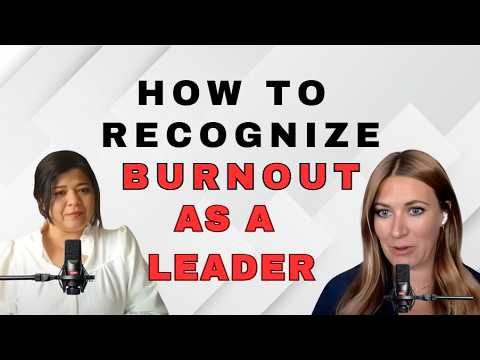
This article is inspired by Neeti Keswani, host of the Luxury Unplugged Podcast, where she dives deep into leadership, personal growth, and workplace transformation.
Connect with Neeti Keswani:
- YouTube: youtube.com/@luxuryunpluggedpodcast?sub_confirmation=1
- Blog: plush-ink.com/blog
- Instagram: instagram.com/luxurylifestylepodcast
- Spotify: open.spotify.com/show/1LF1uvfXe816jQCVtvOti8
- Apple Podcast: podcasts.apple.com/us/podcast/id1551277118
- Facebook: facebook.com/PlushInkMagazine